Agnes Nambozo knew from a young age that she wanted to do one thing with her life: help people.
When she was little, she wanted to be a police officer, until her mother convinced her it was too dangerous. Moving to a “safer” option, she took a course in nursing. Now, her job requires her to regularly climb 1,000 foot (300 meter) ladders deep in the Ugandan Mountains to distribute medical assistance and advice to rural communities.
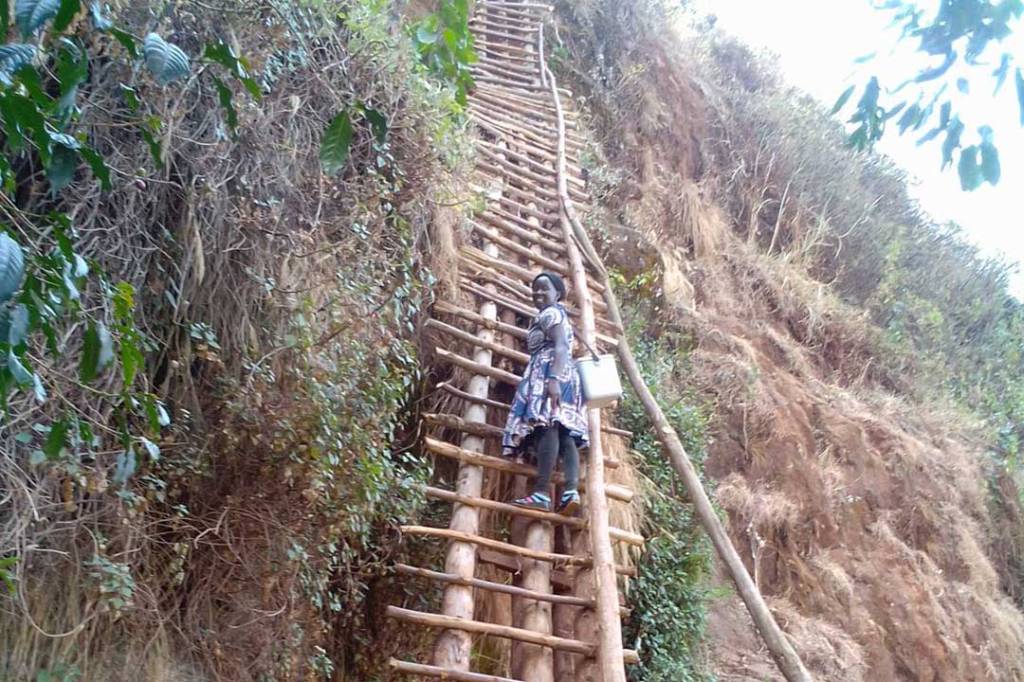
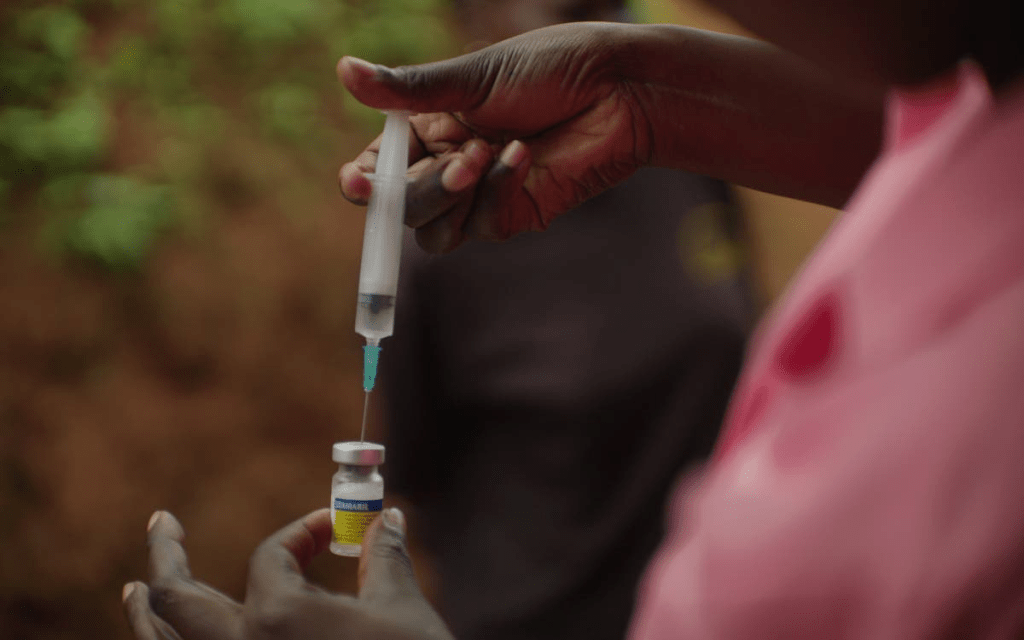
For anyone who has ever complained about the length of their commute to work: Nambozo’s is worse. Just getting to these rural communities is a grueling four hour trip involving at least three different forms of transportation. By 6am, Mabozo is on her way, catching a taxi from her home in Sironko to Buyaga, the closest city to the health clinic where she will stock up for the day. From Buyaga, she switches to a motorbike to get the rest of the way, since the roads can’t be used by cars. There, she packs her supplies for the day – rural vaccinators like Nambozo must carry everything with them during their commute, so packing becomes a precise art. Along with the rest of her medical supplies, she carries over 50 vaccines which must be kept cold during her entire commute in a heavily insulated backpack stuffed with ice packs.
By this point, her commute is only about halfway done, and she has yet to reach the most dangerous part. After finishing at the clinic, Nambozo gets back on her motorbike and rides to the base of the mountains. From there, she begins her climb – a 1,000 ft. wooden, often rain-slicked, ladder straight up the side of the mountain.
“The ladders are risky because you might miss a step,” Nambozo once said in an interview with the Gates Foundation. “If you are lucky, you can get a fracture. If you’re not lucky, you can lose your life.”
By the time Nabozo has climbed the ladders and reached the community, it’s close to 10:30am – over four hours since she left her house at 6am.
Nambozo’s typical goal for a day of vaccinations is 50 patients, though she always carries a couple extra doses just in case. Most of her patients are children under five years old who, without Nambozo’s vaccines, would be susceptible to diseases like polio, measles, tetanus, and pneumonia – this last being the most deadly in the rainier regions of Uganda where damp weather raises many issues with respiratory diseases.
Nambozo’s work is critical to these villages, not just because of the life-saving vaccines she carries, but because she also offers medical advice and assistance. The treacherous ladders act as the main, and sometimes only link to health clinics and hospitals, meaning the only people who can leave these communities are older children and physically fit adults. Younger children, mothers with babies, the elderly, and the sick can’t make the trip, so workers like Nambozo become their only source of medical assistance. Nambozo does everything from treating wounds and teaching about nutrition and sanitation to delivering babies.
“My dream is to make people feel good, to make them happy, and to give my service to the people,” said Nambozo. “When you have positivity, nothing is impossible.”
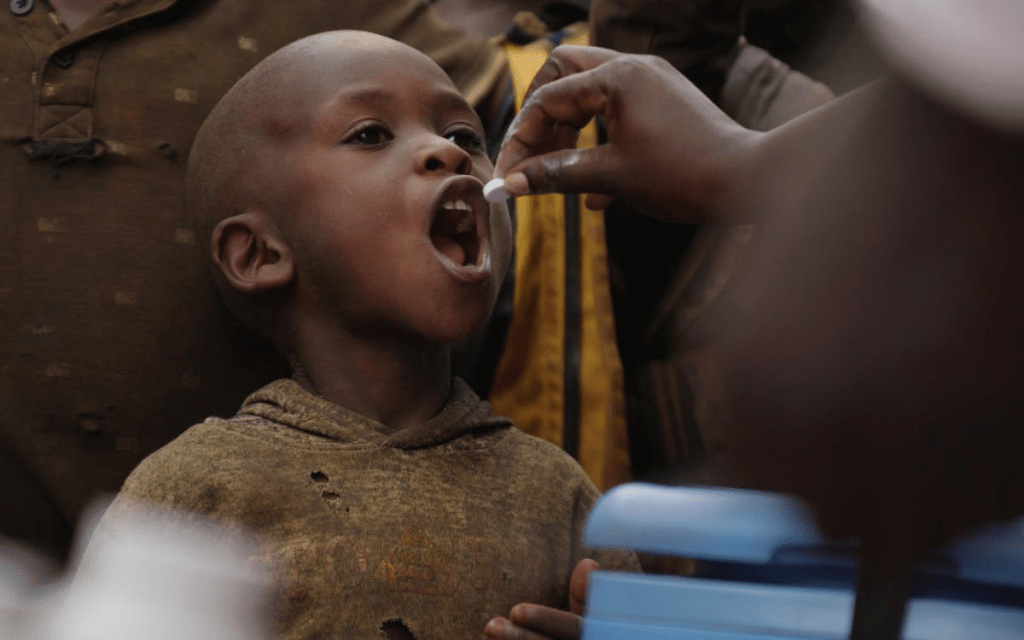
While 50 vaccines per trip may not seem like much, Nambozo and other nurses like her have been critical in helping reduce child mortality rates in Uganda over the past 25 years. In 2000, the child mortality rate was 15% – meaning for every 100 live births, approximately 15 of those children wouldn’t make it past the first few years of their life. Thanks to the work of nurses in the Ugandan Mountain area, that percentage has since dropped to lower than 4% as of 2023. The nurses also provide children with other medicines including deworming treatments and supplements like Vitamin A.
Uganda and its communities might seem far removed from the United States and its politics. However, many of the health clinics, nurses, and doctors working in remote communities in countries like Uganda were established and funded by the U.S. Agency for International Development, or USAID. Under the current Trump administration, USAID funding has been slashed to fractions of its original numbers. Many USAID workers, including a number of Nambozo’s coworkers, lost their jobs after Trump took office in 2024, leaving only a handful of people to continue doing the work of what used to take hundreds. Now, on top of her already treacherous commute, Nambozo worries about burnout as she continues to visit rural communities with vaccines and medicine.
Lack of funding and support hasn’t stopped Nambozo and the other nurses from doing what they do best: helping others.
“Our motto for nurses in Uganda is ‘To love and serve’” said Nambozo. “And to me, love is not just a word. It’s a verb.”

