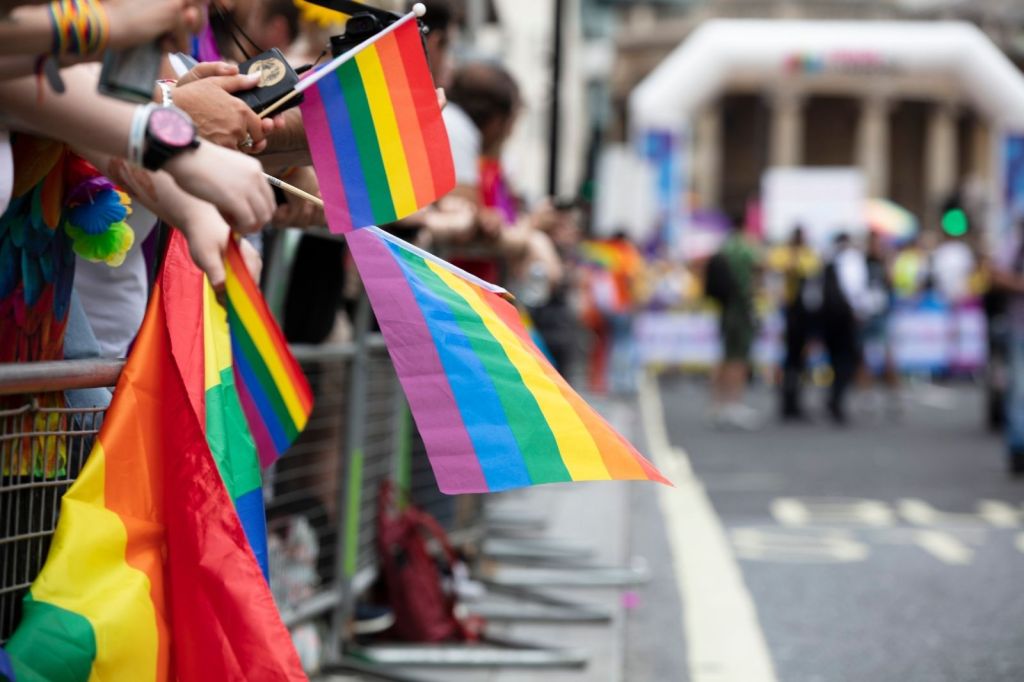
Every June, stores across the country explode into color with a myriad of rainbow decorations and pride-themed merchandise. Parades of colorful floats and drag performers are put on in cities all throughout the months with attendance rates sometimes in the millions. Advertisements become rainbow-themed and influencers post tutorials on how to make a perfect rainbow smokey-eye. For most, it’s well known that June equals LGBTQ+ Pride Month. However, pride isn’t just a celebration of color and love. It’s also a way to honor all those who came before who fought for the right for LGBTQ+ individuals to proudly march in the streets as themselves.
Lesbian, Gay, Bisexual, Transgender, and Queer individuals (LGBTQ+) have been around since the beginning of humanity. Native American tribes like the Lakota or Navajo peoples used the term “Two-Spirit” for individuals who didn’t fit into either a female or male gender identity.
Ancient Mesopotamia believed the god Enki had created a third gender that was neither male nor female. The Mesopotamian Almanac of Incantations contained prayers for both opposite and same-sex couples, showing an acceptance and support for same-sex couples all the way back to 3100 BCE.
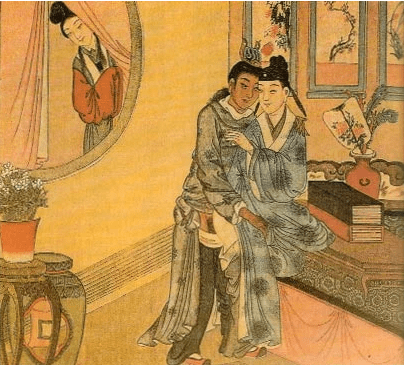
In Pre-Meiji Period Japan (800-1858 BCE), same-sex couples were members of the imperial court and same-sex relationships were even encouraged by the Buddhist sage Kukai.
In Ancient Greece and Ancient Rome, the main concern in relationships wasn’t as much the gender of any individuals in the relationship as much as who would have to play the more “passive” role, oftentimes considered inferior, mainly referring to sexual intercourse.
Notable figures like Julius Caesar, Emperor Hadrian, Alexander the Great, and the Greek poet Sappho are all confirmed or widely accepted members of the LGBTQ+ community, proving LGBTQ+ people have existed for thousands of years.
Suppression of the LGBTQ+ communities in these ancient words can often be tied to the spread of colonization. Spanish colonization of the Philippines changed the alphabet from the pre-existing Filipino script which had no gender categorizations, to the Latin alphabet which categorizes people into feminine (she/her), male (he/him), or plural groups (they/them).
In Mexico, many gay men were devotees of Xōchipilli, the Aztec god of flowers, love, art, and fertility. With the replacement of Aztec culture with Christian religion, this community for gay men disappeared.
European dress standards for the time also forced colonized groups to separate into clear male and female dress patterns. There were no in-between options for dress at the time, which meant even communities that had previously accepted gender non-conforming people were forced to assimilate to a European idea of gender.
As colonization shifted the world to a more Western viewpoint, LGBTQ+ communities began to disappear from the public eye – but that didn’t mean they were ever completely gone. In the 17-1800s in Georgian England, homosexuality could result in anything from public humiliation to hanging. Molly Houses created a safe space for not just gay men and women to congregate, but also for gender non-conforming people to express themselves freely. Masquerade parties were a common event, allowing attendees to dress up as whatever gender they wished and, using fake names, stay completely anonymous.
Records suggest that there were more Molly Houses in the 1720s than there were gay clubs in the 1950s. The 1730s saw a decrease in Molly Houses due to an increase of raids by the police, with the practice coming to an end sometime in the 1800s.
It wasn’t until the late 19th-20th century that the LGBTQ+ community began to openly fight for awareness and equal rights. Scientists like Carl von Westphal (1869), Richard von Krafft-Ebing (1882), and Havelock Ellis (1897) began studying human sexual behaviors in the late 1800s, including homosexual and bisexual tendencies. However, they also labeled gender non-conformity as degenerate and abnormal, showing that the two sides of the LGBTQ+ community have rarely been accepted hand-in-hand.
In 1919, German researcher Magnus Hirschfeld founded Berlin’s Institute for Sexual Science, though it was later destroyed by the Nazi Party in 1933. While it was open, it was Europe’s most in-depth library and archive on the studies of the LGBTQ+ community and gay cultural history.
The LGBTQ+ civil rights movement in the United States began gaining traction around the same time as the African American Civil Rights Movement in the 1950s. Martin Luther King Jr., leader of the Civil Rights Movement, chose Bayard Rustin, an openly gay man, as his key organizer.
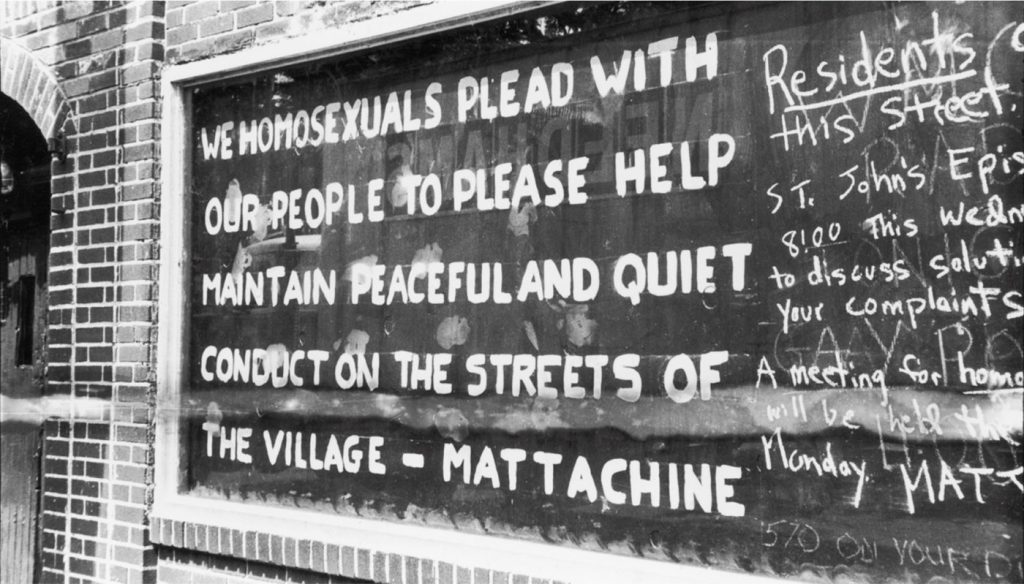
The Mattachine Society, founded by Chuck Rowland and Harry Hay in 1950, was the primary organization for gay men as an oppressed cultural minority, and inspired other groups that formed as safe spaces for lesbians and transgender/gender non-conforming people.
However, as they say, Rome was not built in a day. In 1965, activists Barbara Gitting and Frank Kameng led the first gay rights demonstrations in Philadelphia and Washington, D.C. On June 28th, 1969, the Stonewall Uprising gained the LGBTQ+ civil rights movement international attention.
The Stonewall Uprising lasted for six days in what is now widely regarded as the turning point in LGBTQ+ activism for white cisgender members of the community; LGBTQ+ people of color and gender non-conforming members would continue facing harassment both from outside and within the LGBTQ+ community for decades.
Side note – while the Stonewall Uprising is commonly referred to as the Stonewall Riots, Stonewall veterans have said the terms “uprising” or “rebellion” are more accurate. “It was a rebellion, it was an uprising, it was a civil rights disobedience – it wasn’t no damn riot,” said Stormé DeLarverie, a participant in the Stonewall Uprising.
The 1960-70s saw increased acceptance of the LGBTQ+ community nationwide. The first out gay minister was ordained by the United Church of Christ in 1972, and in 1973 the American Psychiatric Association removed homosexuality from its illness classification. Openly gay political representatives also began being elected to office, the first being Elaine Noble to the Massachusetts House of Representatives in 1975.
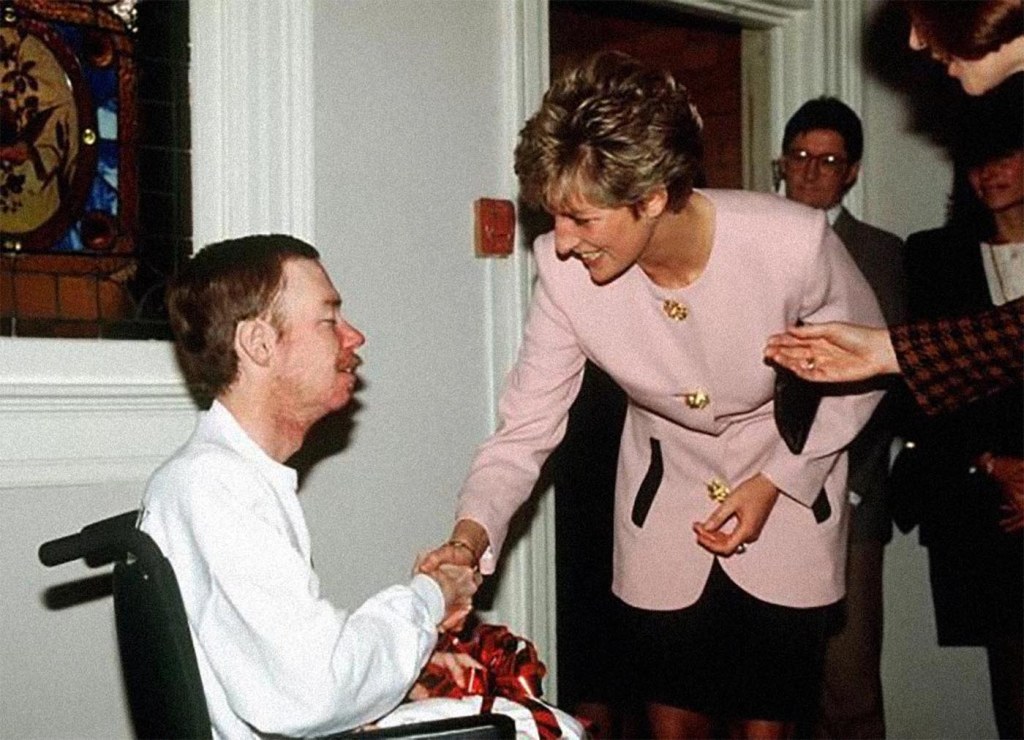
The LGBTQ+ movement faced a setback during the AIDS epidemic in the 1980s. Religious groups claimed the epidemic was sent as a punishment by God to those who practiced or supported a homosexual lifestyle. The AIDS epidemic created wide-spread fear of people in the LGBTQ+ community, specifically gay men who were seen as the primary carriers of the disease. LGBTQ+ people were singled out from the rest of society due to misconceptions about how the disease was passed, and thousands of people died from AIDS due to a lack of research or a cure.
In 2004, Massachusetts became the first state to perform same-sex marriages. It would be another decade before the Supreme Court recognized same-sex marriage on a national scale with Obergefell v. Hodges.
In 1999, former-President Bill Clinton declared June to be “Gay and Lesbian Pride Month” in honor of the Stonewall Uprising that had happened in June 1969. Former-President Barack Obama later changed it to “Lesbian, Gay, Bisexual and Transgender Pride Month” in 2009. Obama also created the Stonewall National Monument in 2016.
Just because pride month exists doesn’t mean members of the LGBTQ+ community no longer face harassment or discrimination because of their gender or sexual identity. In some countries, including Saudi Arabia, Somalia and Pakistan, participating in homosexual acts is punishable by death. Even in countries like the United States where same-sex marriage is legal, same-sex couples are refused service in restaurants and harassed in the streets and LGBTQ+ safe spaces are regularly targeted for hate crimes.
Transgender and gender non-conforming people often face even more discrimination. The recent bathroom bills in the US force even those who have transitioned to another gender to use the bathroom of the gender they were assigned at birth. Transgender people are also facing bans from participating in sports all the way down to grade-school levels, and in Kansas, a 2026 bill invalidated any drivers licenses with gender markings that don’t match the gender the driver was assigned at birth.
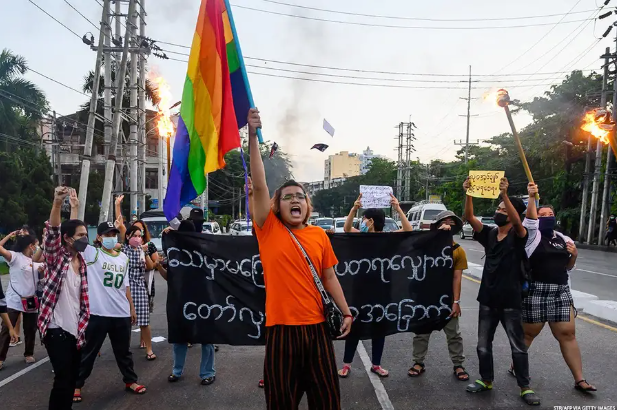
This pride month, it’s more important than ever to support LGBTQ+ owned and supporting businesses. When looking at pride merchandise, especially in large corporate stores, do you research to see if those companies actually support LGBTQ+ people during the rest of the year, or if they’re just temporarily jumping on the rainbow bandwagon to make some money off of a minority community.
Attending pride parades in your area is a great way to make sure your money is going toward groups supporting the LGBTQ+ community, as well as a fun way to meet new people and learn about ways to get involved with the LGBTQ+ community however you feel comfortable doing so!

