On March 13th, 2020, the entire world shut down. The COVID19 pandemic closed schools, offices, airports – everything. People were confined to their homes, scared to even go to the grocery store, for over a year.

Finally, five years later, the world seems to have recovered for the most part from the lockdown. However, since COVID19, many across the world have wondered what the next global outbreak will be. Guesses have circulated online with options – another strain of the coronavirus, a particularly deadly form of the flu, monkeypox, mad cow disease, and bird flu have all been causes of alarm over the past half-decade.
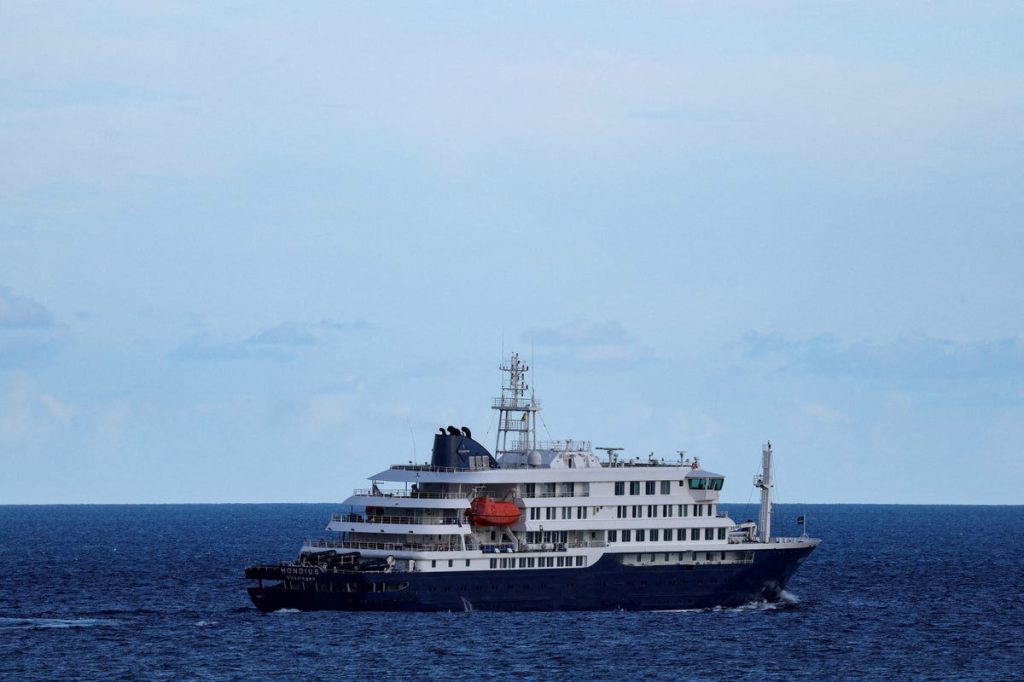
As of May 2026, a new name has been added to that list. Hantavirus, currently spreading among the passengers of the MV Hondius, a Dutch expedition cruise ship stuck in the Atlantic Ocean as medical professionals try to contain the disease.
The first cases were reported to the World Health Organization (WHO) on May 2, 2026, not as the Hantavirus, but as a severe case of respiratory illness spreading through the ship. By the time the sickness was reported, two passengers had already died and another was reported as being critically ill. Further laboratory testing, both from ill and deceased passengers, confirmed the disease to be the Andes strain of the Hantavirus. Officials both on land and on the ship began making efforts to track down any former passengers who had recently disembarked, but may have been exposed to the virus during their time on board.
Hantavirus is an umbrella name for a number of different strains of the virus. According to the U.S. Centers for Disease Control and Prevention (CDC). “People get hantavirus from contact with rodents like rats and mice, especially when exposed to their urine, droppings, and saliva. It can also spread through a bite or a scratch by a rodent, but this is rare.” The Andes virus causes a severe respiratory disease called Hantavirus Pulmonary Syndrome (HPS). It’s also the only known Hantavirus strain that can spread human-to-human, instead of just rodent-human. However, according to the CDC, “This spread is usually limited to people who have close contact with a sick person. This includes direct physical contact, prolonged time spent in close or enclosed spaces, and exposure to the sick person’s bodily fluids.” With symptoms taking up to 42 days to appear, it can be especially difficult to catch carriers of the virus before they can spread it to others.
As of May 15, 2026, the CDC is monitoring 41 potential carriers of the Hantavirus, but no actual cases have been confirmed. On an international scale, there have been 11 confirmed cases of the virus, including three deaths.
Now for the big question on everyone’s minds: is the Hantavirus the next COVID19?
The short answer? Probably not.
The long answer? While almost any deadly virus has the potential to become a widespread pandemic, the way the Andes virus spreads makes it difficult for it to travel as quickly as the Coronavirus did.
However, it’s still important to not the severity of the Andes virus and HPS. While the fatality rate for COVID-19 was 1-3.4% of those infected, HPS has a fatality rate of 35-40%. HPS attacks the lungs, leading to severe respiratory issues that can affect a person long after the disease is gone.
Andes Hantavirus is most likely not the next COVID19. However, with the severity of the disease and its high mortality rate, it’s important to be aware if you’ve possibly come into contact with someone with the disease, and to alert your nearest medical professional if you have probably reason to believe you might be carrying it.
If you would like more information on the Hantavirus, the Andes virus, or HPS, the World Health Organization (WHO) and the U.S. Centers for Disease Control and Prevention (CDC) websites have lots of information, both about the diseases in general, as well as updates about its current spread in the U.S. and internationally.

