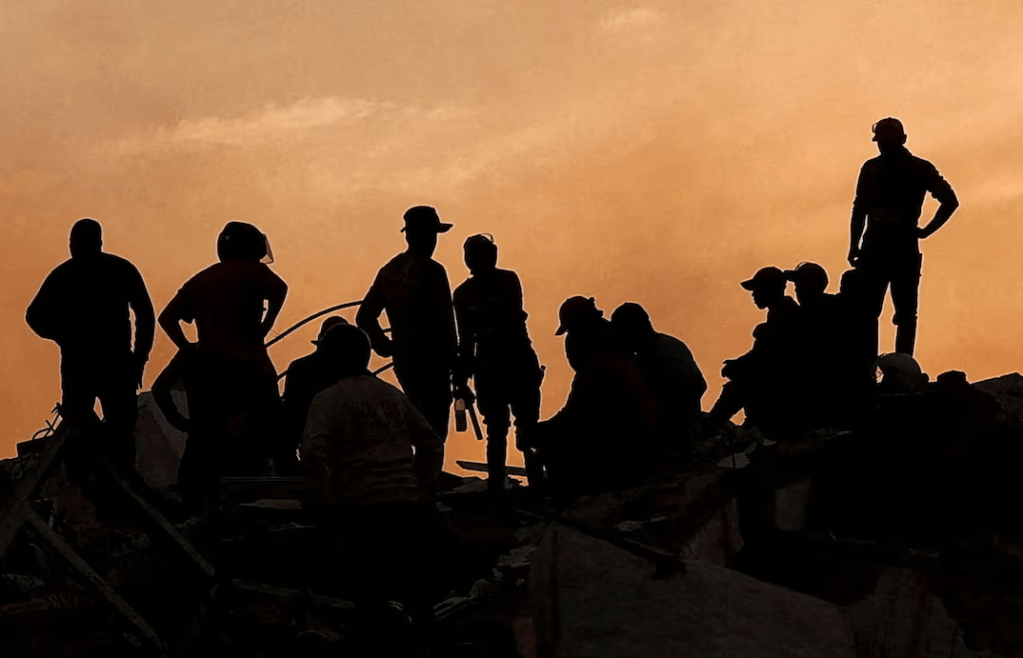
At 6:04pm VET on Wednesday June 24th, a magnitude 7.2 earthquake struck northern Venezuela. Less than a minute later another earthquake, this time magnitude 7.5 struck the same area, the largest earthquake to hit the country since 1900. Combined, the two quakes have caused irreparable damage to infrastructure, livelihoods, and families in Latin American country and beyond.
La Guaira and Caracas, both located on the northern coast of Venezuela, were the two cities hit the hardest by the quakes. Rescue services and volunteers have been working 24/7 to rescue survivors and pull bodies from the rubble. While the death toll was originally reported as 32, with 700 injured, as of Sunday that number has climbed to 1,430, with over 3,200 injured and 3,100 left homeless. Over 68,900 people are still reported missing by families, friends, and neighbors.
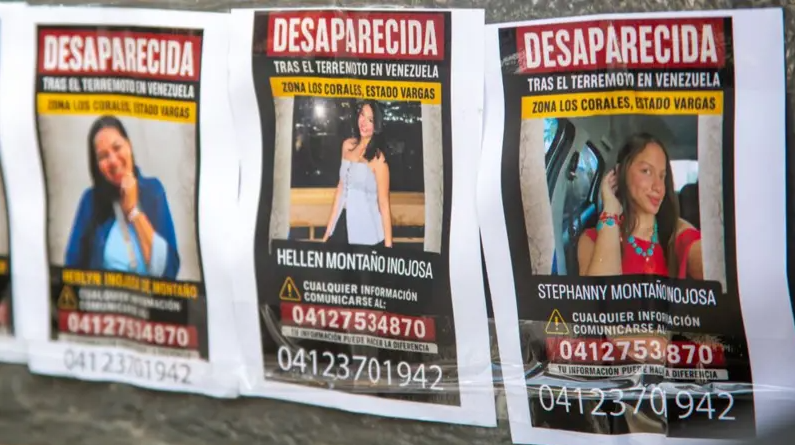
One hospital in Caracas has a list of injured patients on a wall in the building to help reunite patients with their families. Other survivors have left photographs of lost loved ones beside the wall in the hopes they’ll be found or turn up at the hospital.
According to Luis Rodríguez, head of surgery, the hospital has admitted more than 600 people mainly from the La Guaira state. A majority of the injuries have been crush injuries and fractures, but hospital staff have also been documented helping treat anxiety attacks.
While rescue teams are working their hardest to locate survivors and bodies, they are quickly discovering how far behind Venezuela is when it comes to search and rescue equipment. Some Venezuelans have complained that heavy machinery wasn’t brought to their area for over two days, and in other areas rescue efforts consist of nothing more than locals pushing through rubble with their bare hands.
According to humanitarian aid agencies, the first 48-72 hours are the most crucial for rescuing survivors. With the quakes hitting last Wednesday, the 72 hour mark passed Saturday evening. Hopes of finding survivors are diminishing among rescue workers, and the attention has now shifted toward finding bodies. “We don’t think there are more people [alive] here, but we hope” said one rescue worker standing by a destroyed building in Caracas.
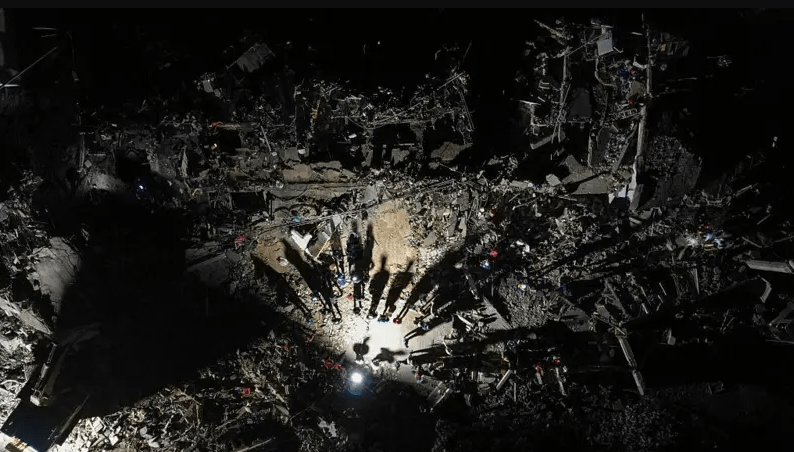
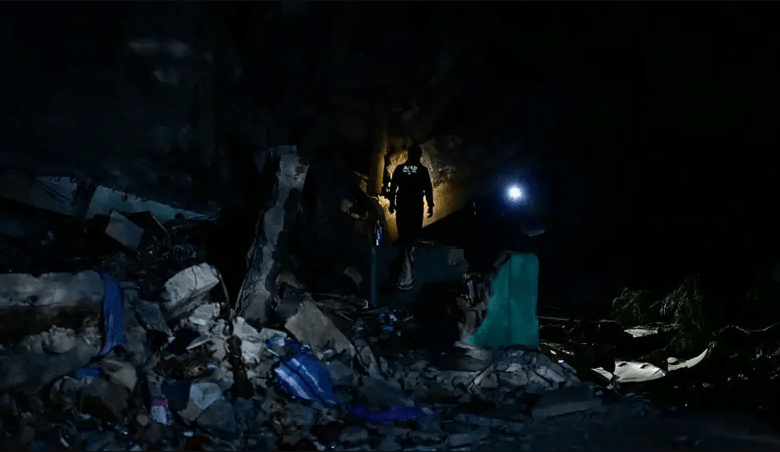
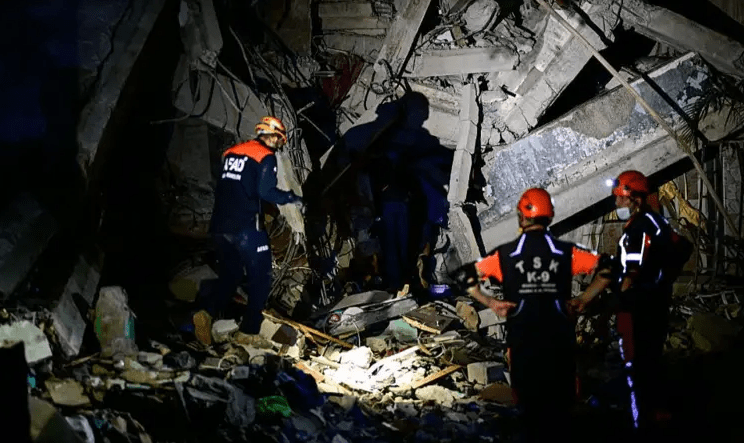
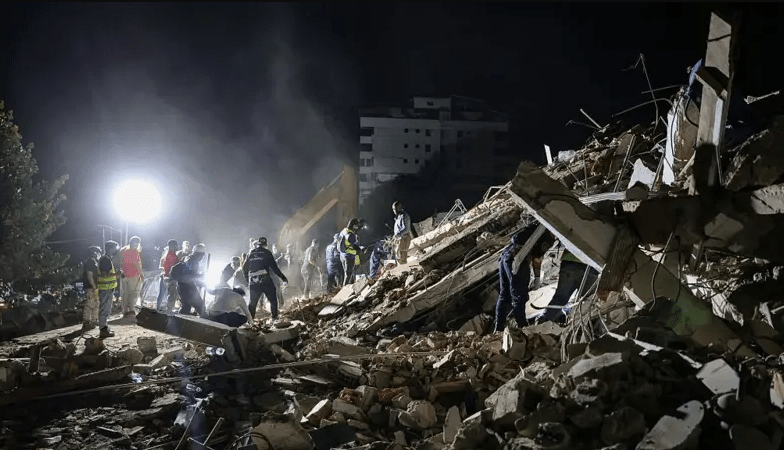
However, Venezuelans haven’t given up hope. One Caracas resident whose son is missing asks “Please don’t stop searching.” At the Vargas Hospital in Caracas, the family of a 14 year old boy was told they may have found his body but, given the conditions, it couldn’t yet be verified. The family has not given up on their son, telling a BBC reporter on Saturday, “Until we are 100% sure, we have a glimmer of hope.”
Some rescue efforts have been successful in finding survivors. On Saturday, two 11 year old boys were pulled from the rubble of a building within hours from each other. One of the boys had been buried under almost 10 feet of debris and a rescue team spent six hours conducting “high-precision work” before successfully evacuating him. Also on Saturday, a newborn baby was pulled from the rubble, its cries an unbelievable proof of life.
The rest of the world has not left Venezuela to deal with this disaster alone. According to the European Union Foreign Chief of Affairs, the EU has mobilized $5.6 million in emergency assistance for affected communities. A United Nations humanitarian affairs aid said 25 international teams consisting of 1,000 people in total had been sent to help. The United States responded to the disaster as well, mobilizing $150 million in aid for programs like the UN’s World Food Programme and nonprofit organization International Medical Corps. The State Department also sent a disaster response team with two urban search-and-rescue units, as well as airlift, logistics and coordination support to move personal and life-saving supplies into affected areas.
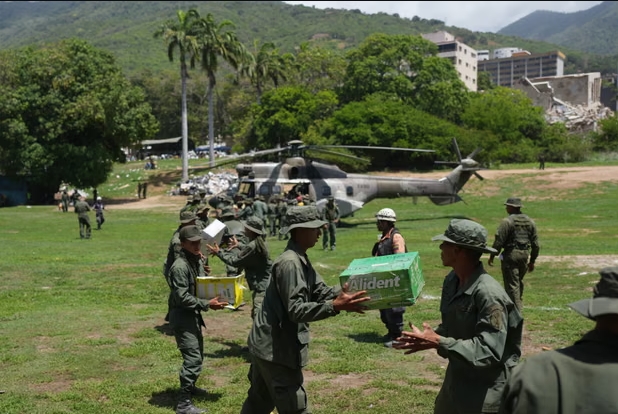
Other groups such as the World Central Kitchen have offered supplies to help those made homeless by the disaster. The Red Cross sent 17 tons of humanitarian supplies on Friday. “The cargo includes kitchen sets, hygiene kits, mosquito nets, and other essential items” said Loyce Pace, the Americas Regional Director for the IFRC.
Multiple Go-Fund-Mes and other donation options have been created online, offering ways for people around the world to help those affected in Venezuela.
Donation Options:
How to Help Venezuela Earthquake Survivors [June 2026]
Venezuela Earthquakes: Children Need Help Now | UNICEF USA

