Humans love naming things. Ships, cars, alexas, instruments. You name it, it… well, it probably has a name.
Names are the easiest way to identify and differentiate between different things. This is how the tradition of naming hurricanes started as well.
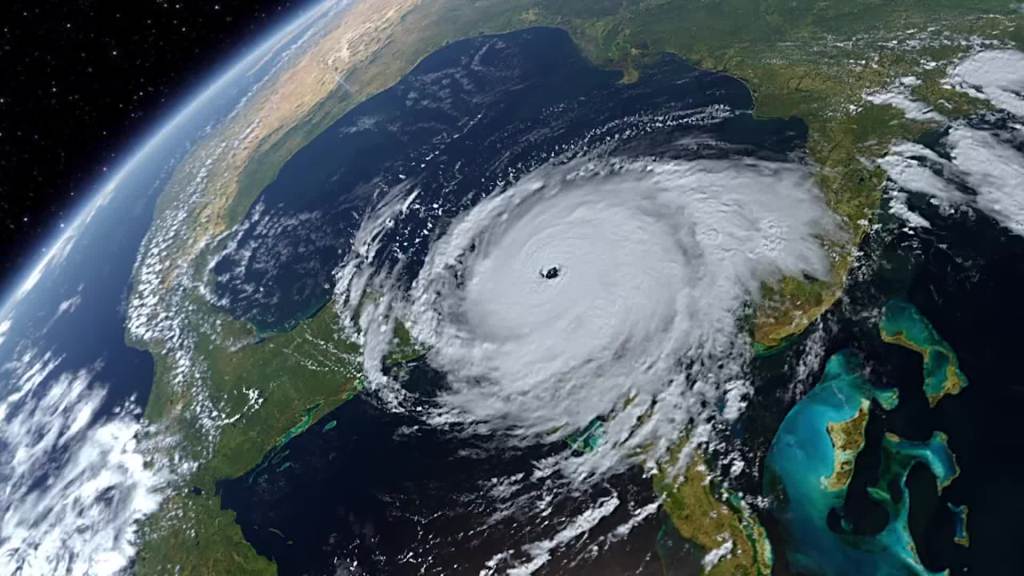
Hurricanes, or tropical cyclones, are low-pressure rotating weather systems originating in the Atlantic Basin. “Hurricane Season” runs from June 1 – Nov. 30 but storms can take place outside that time period. Any storm that forms during the year is given a name by the World Meteorological Organization, regardless of whether it makes landfall.
Prior to World War II, hurricanes were named based on their location, intensity and year; the Great Hurricane of 1722, the Galveston Storm of 1900, the Labor Day Hurricane of 1935 and the Big Blow of 1913.
Hurricanes in other areas of the Atlantic had their own ways of naming storms. In the West Indies, hurricanes were named for the Catholic Saint’s Days when they made landfall. In the late 19th century, Australian weatherman Clement Wragge named storms after politicians he disliked, allowing him to publicly state the politicians were “causing great distress” or “wandering aimlessly around the Pacific”.
No naming practice really caught on until World War II when U.S. Air Force and Navy meteorologists needed a quick way to tag storms on weather maps. Some of the men decided to pay tribute to their sweethearts back home by naming the storms after them. The idea for using female names quickly caught on and, as the U.S. led the world in weather technology at the time, the practice spread world-wide.
During the women’s rights movement in the 1970s, the fact hurricanes were only being named after women became one of the issues spoken about at conventions across the county. Feminist Roxcy Bolton told the National Weather Service “women are not disasters, destroying life and communities and leaving a lasting and devastating effect.” She recommended the storms be named after senators who she reasoned “delight in having things named after them”.
In 1979, the NWS and the World Meteorological Association introduced an annual alternating system of male and female names which cycle through every six years. They also determined a backup list of names to use in case there were ever more than 21 named storms in a year – names beginning with the letters Q, U, X, Y and Z aren’t commonly used.
The WMO also keeps a list of retired storm names. A name is retired when it’s been used for a particularly deadly or costly storm out of respect. Katrina was retired in 2005, Milton and Helene in 2024, Ida in 2021, Maria in 2017 and over 100 more over the past century.
The names for the current and upcoming hurricane seasons can be found on the WMO and NWS websites.

