
As summer heat ramps up and trips to the beach, picnics with friends, and pool party invites begin to fill your calendar, the medicines you take every night before bed may be the furthest thing from your mind. However, those little pills may be what makes or breaks your summer. With over 60% of adults in the United States taking some form of daily prescription medication, it’s important to be aware of the correlation between certain medications and heat exhaustion/stroke when planning your summer activities.
You’ve probably never noticed any effect from your medication on your body temperature, and for a majority of those taking prescribed medications, you probably never will. However, it’s still important to be aware of the dangers of some medications when combined with over-exposure to the sun or high temperatures.
Antidepressants tend to be the most common cause of heat-related issues linked to medications. More specifically, Selective Serotonin Reuptake Inhibitors, or SSRIs, can cause major problems for those taking them; symptoms like excessive sweating, dizziness, nausea, and more may indicate those taking the medication are more susceptible to dehydration, heat exhaustion, and heat stroke.
“SSRIs can predispose persons to heat sensitivity and result in a higher chance of developing heat exhaustion and heat stroke,” says Robert Glatter, M.D., assistant professor of emergency medicine at the Zucker School of Medicine at Hofstra/Northwell and emergency medicine physician at Lenox Hill Hospital.
SSRIs can cause excessive sweating in the body, opening users to higher chances of dehydration if not balanced out with proper water intake. SSRIs also sometimes impair function of the hypothalamus, the area of the brain in charge of regulating internal body temperature and acting as the thermostat of the body.
SSRIs aren’t the only medications that can cause users to struggle with heat during the summertime.
Antidepressants:
– Common prescriptions include Fluoxetine, Paroxetine, Amitriptyline, Imipramine
– May impact your body’s ability to regulate internal temperature
– Can interfere with fluid balance
– Increased sweating leads to dehydration
Antihistamines (commonly used for allergies and allergic reactions)
– Common prescriptions include Promethazine, Doxylamine, Diphenhydramine
– May impact your body’s ability to regulate internal temperature
– Decreased ability to sweat can lead to overheating
Stimulants (commonly used to treat attention deficit hyperactivity disorder (ADHD))
– Common prescriptions include Amphetamine, Methylphenidate, Modafinil
– Can raise your internal body temperature, leading to overheating
Beta-Blockers (commonly used to treat cardiovascular diseases like high blood pressure)
– Common prescriptions include Metoprolol, Atenolol, Bisoprolol
– Decreased ability to sweat can lead to overheating
– Lower blood pressure can increase risk of fainting or falling
Diuretics/”Water Pills” (commonly used to reduce the buildup of fluid in the body)
– Common prescriptions include Furosemide, Hydrochlorothiazide, Chlorthalidone
– Can lower thirst sensation, leading to dehydration
– Can cause excessive urination, leading to dehydration
ACE Inhibitors (commonly used to treat and manage high blood pressure)
– Common prescriptions include Benazepril, Captopril, Enalapril
– Can lower thirst sensation, leading to dehydration
– Lower blood pressure can increase risk of fainting or falling
Thyroid Hormone Replacement Medications (commonly used to raise low levels of natural thyroid hormones in the body)
– Common prescriptions include Levothyroxine, Liothyronine
– Can raise your internal body temperature, leading to overheating
– Increased sweating leads to dehydration
Antipsychotic Medications (commonly used to treat psychosis that can come with schizophrenia, bipolar disorder, depression and Alzheimer’s disease)
– Decreased ability to sweat can lead to overheating
– Can lower thirst sensation, leading to dehydration
“The take-home message is that medications which either impair your ability to sweat (and subsequently cool your body), or those medications which lead to excessive sweating will predispose you to dehydration,” says Glatter.
Dehydration or overheating may not seem like a big deal; you move to the shade for a few minutes, drink some water, then get on with your day. However, a lack of awareness or ignoring of symptoms can have disastrous consequences.
While it may be annoying to constantly have to stop your yardwork for another sip of water or not be able to spend more than an hour relaxing on the beach before having to go back inside, heat exhaustion and heat stroke are as serious as a heart attack or seizure – and come sometimes cause them if ignored and left untreated.
“Overheating can cause heat exhaustion, which can turn into a more dangerous heat stroke, which happens when your temperature reaches 104 degrees,” explains Jennifer Brull, M.D., president-elect of the American Academy of Family Physicians. “Heat stroke is extremely dangerous and can be fatal, causing organs to shut down. It’s important to get out of the heat at the first signs of intolerance to avoid more serious consequences.”
The best way to prevent heat stroke is to know the symptoms of heat exhaustion before they turn into something more serious.
“People experiencing heat exhaustion may feel like they have an influenza-like illness,” says Adam Blumenberg, M.D., emergency medicine physician at New York Presbyterian/Columbia University Irving Medical Center. “A person with heat exhaustion can feel fatigued, sick to their stomach, uncomfortable, sweaty, or simply just too hot. The best way to treat this is to get to a cooler environment, drink water, and wait until you feel better.”
The answer to protecting yourself from heat exhaustion/stroke this summer is NOT to stop taking your medication – in fact, you should never pause or stop taking your medication without first consulting your doctor.
However, there are measures that you can take to keep yourself safe and healthy when outside feels like the sun is taking a vacation on your front lawn:
– If the heat index is over 90 degrees, do your best to stay indoors as much as possible
– Wear lightweight, loose-fitting clothing and a brimmed hat
– Use sunscreen with SPF 15 or higher to avoid sunburn
– Stay in homes, businesses, or public spaces with air conditioning as much as possible
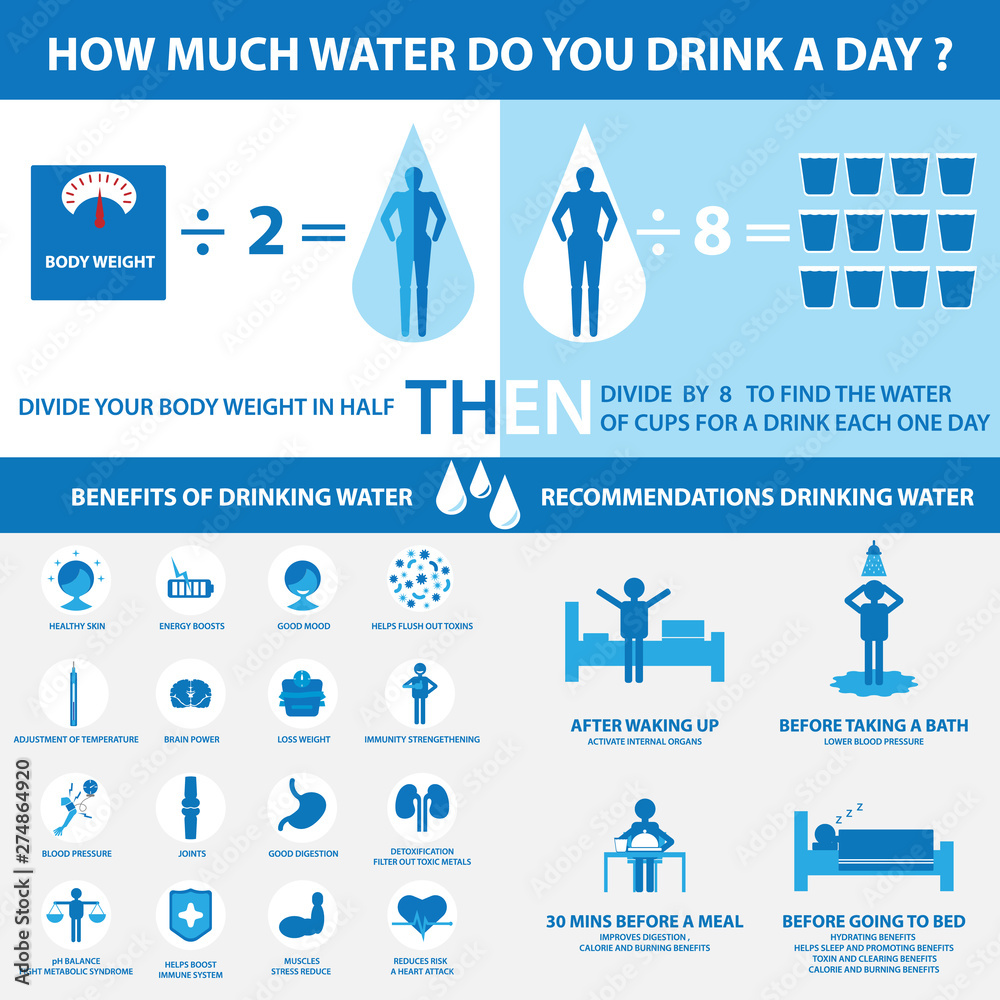
– Drink plenty of water to stay hydrated, even if you’re not feeling thirsty
– Pace yourself and take frequent breaks if you are working or exercising outside
“It’s crucial to listen to your body and take heat safety seriously,” says Brull. “If you or someone you are with is showing signs of heat exhaustion, get them out of the heat immediately and into a cool place.”
Another solution is to think about changing your vacation destination to somewhere a little cooler. Instead of going to the beach to roast in the hot sun, consider camping in the mountains or renting a lake house where you can relax in cooler altitudes covered by shade.

If going somewhere with a heat index of 90 degrees or higher, check ahead of time for indoor activities you can do to break up your time outside; museums, aquariums, restaurants, etc.
And, most importantly, make sure you have a full, insulated water bottle nearby at all times so you can enjoy your trip wherever you choose to go without any impromptu trips to the emergency room.

