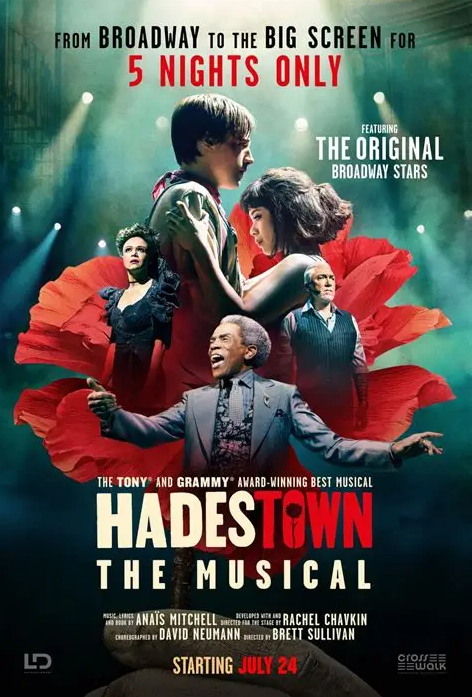
This past weekend, the Hadestown proshot released in U.S. theaters for just five days. The proshot was so popular they later announced an extension due to sold out theaters. So far there has been no announcement about whether it will release on a streaming platform at a future time. However, in just the couple days after its release it’s already sold out hundreds of theaters, filling seats with both die-hard fans and those who had never heard of the show before its release.
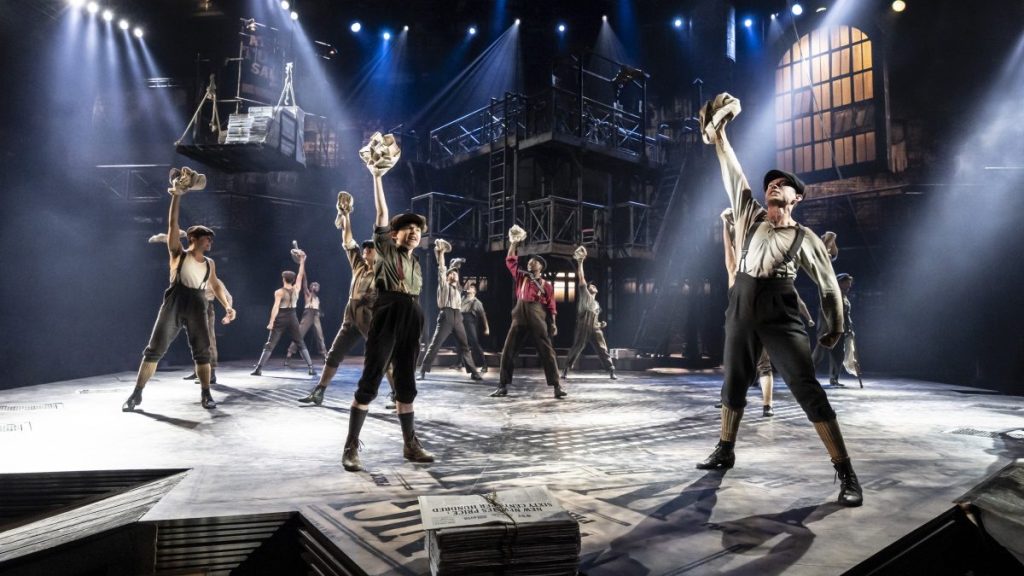
Hadestown isn’t the first proshot to do well both nation- and worldwide. The Newsies proshot release in 2017 on the streaming platform Disney+ to largely positive reviews and the release of the Hamilton proshot on Disney+ during the COVID-19 lockdown came as a breath of fresh air to anyone longing for the feeling of being in a theater – either Broadway or a good old fashioned cinema.
What is a Proshot?
First of all, what is a proshot? A proshot, short for professionally shot, is simply a stage play or musical that has been filmed in a theater setting. The goal of a proshot is to give the viewer the same feelings they would have at a live viewing of the show, often including moments of applause and audience responses in the filming to make the setting feel more realistic.
Historically, proshots of Broadway shows have been few and far between. Most of the time, it’s just not financially viable to make a proshot for anything but the absolute most popular shows. For any musical that isn’t guaranteed to sell out theaters or be produced by a large parent company that can swallow the losses, making a proshot means losing money – and quite possibly a lot of it.
The more popular way to bring musicals to the big screen is to turn them into movies. Greater detail can be added to the stories, famous names can be brought on to draw more crowds, and they’re more likely to be funded by a large company and do well in theaters. Movies like “The Sound of Music”, “The King and I”, “Les Misérables”, and “Wicked” all fit this category. However, no matter how well the movie is done, there’s still an aspect of storytelling and intimacy that you lose by taking it out of the theater setting.
The Theater, Then and Now
The theater has always been a place somewhat removed from day-to-day crowds. Starting with opera, which historically was attended mostly by the upperclass wealthy elite, and continuing now with live theater performances, the theater has historically never been a place just anyone off the street could walk in and enjoy.
In 2026, the average price of a Broadway ticket was between $120-130, with some tickets costing over $400 for the best seats at the most popular shows. Even to go alone, one ticket might cost a week’s paycheck. For parents who want to raise their kids with an appreciation for the arts and the theater, one night out could cost between $500-1,000, making this lifestyle inaccessible for a majority of the population.
Touring shows typically cost less but don’t tend to stay in an area for more than a few days. For working adults and parents with school-age children, the available shows often aren’t possible with their schedules.
The Importance of Proshots
Proshots make live theater more accessible to those who otherwise might have no introduction to it. Experiencing live theater, even through a screen, can be a life-changing experience, especially for young children. It’s an introduction to a whole new world, with career opportunities that many people may not even know exist. Seeing sets moving on stage lets people ask the question “how does that work?” and “who’s in charge of that?” and maybe “how could I do that?”
While preparing to film the Hadestown proshot, Hades actor Patrick Page tore his achilles tendon, leading to him wearing a large boot and using a cane during the film. Talented artists worked to make the accessories fit Hades’s style in the show, leading some people online to remark how they barely noticed them until they were pointed out because they fit the character so well. Moments like this draw attention to often-overlooked career opportunities in costume design, hair and makeup and prop-making and show the behind-the-scenes talent that’s often what keeps shows like Hadestown running.
Even if watching a musical doesn’t instantly have you running to sign up for acting classes, there are other benefits. Often musicals have underlying messages that make a statement on the world around them. Hadestown has lots of themes around capitalism, tyranny, and love. Wicked is famous for tackling topics of discrimination and, depending who you talk to, LGBTQ+ experiences. Many shows have political themes and messages that are portrayed through catchy songs. Proshots allow viewers to watch a performance multiple times, instead of a live performance where they may have been too busy enjoying the music or just trying to follow along to be listening and analyzing the show for underlying messages.
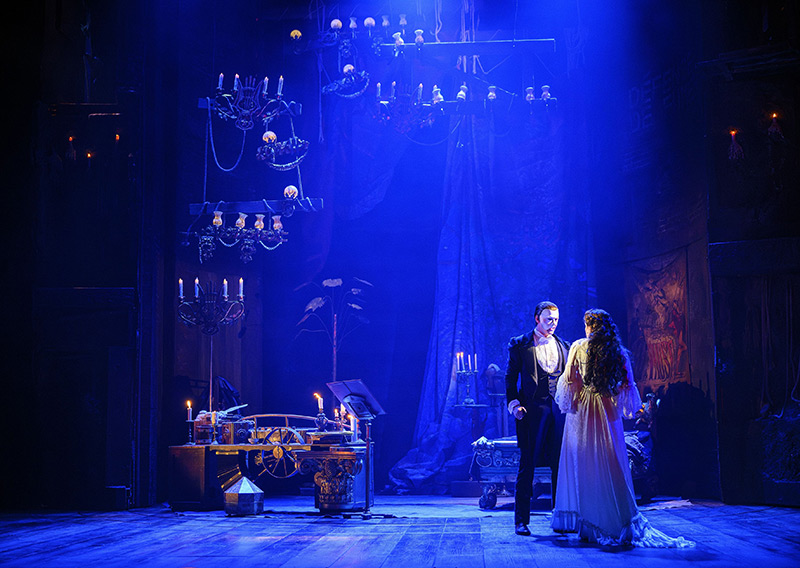
Finally, (not really, but just for this article) proshots are just fun to watch. Not many people can say they’ve seen the original cast of a Broadway musical perform the show. However, most proshots are of the OBC, meaning a much larger population of people are able to watch talented actors playing roles that they have helped shape and who have set the standard for every other performance after them. It also allows fans to continue enjoying shows that may no longer be touring or on Broadway, such as “The Phantom of the Opera”.
There are many reasons proshots are important to the theater community and society as a whole. They’re a way of preserving and spreading a culture that historically has been gatekept to just the wealthier part of the population. They can be someone’s first introduction to the musical theater community and the catalyst to a life-long love of live performances. They make costly shows accessible to those who may not have the time or money to see them live.
And most important of all, they make people happy. The popularity of Hadestown this past weekend proves just how much that’s true. Sold out theaters across the country and an extension of show days proves an interest in theater is still alive and well in our society, and making it more accessible will always have positive results.

