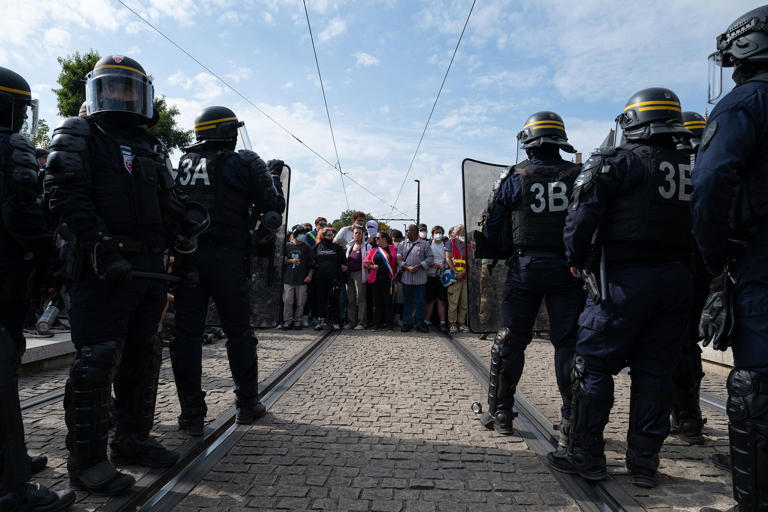
High school students, teachers and parents took to the streets across France Oct. 6 to protest a lack of education funding and poor building maintenance.
The protests are the latest in a series that started mid-September in the poorer suburbs of Paris. The French Interior Ministry estimated 266,000 people participated in nationwide demonstrations Oct. 6, with 56,000 showing up in Paris alone.
While most of the Oct. 6 protests were peaceful, the protests in Paris turned dangerous when a group of riot police met participants at the end of their march with tear gas and riot control weapons. Nearly 500 people were detained.
“Riot police, batons, rubber bullets, tear gas,” Aurélian Le Coz, a lawmaker for the French far-left Unbowed party, said.
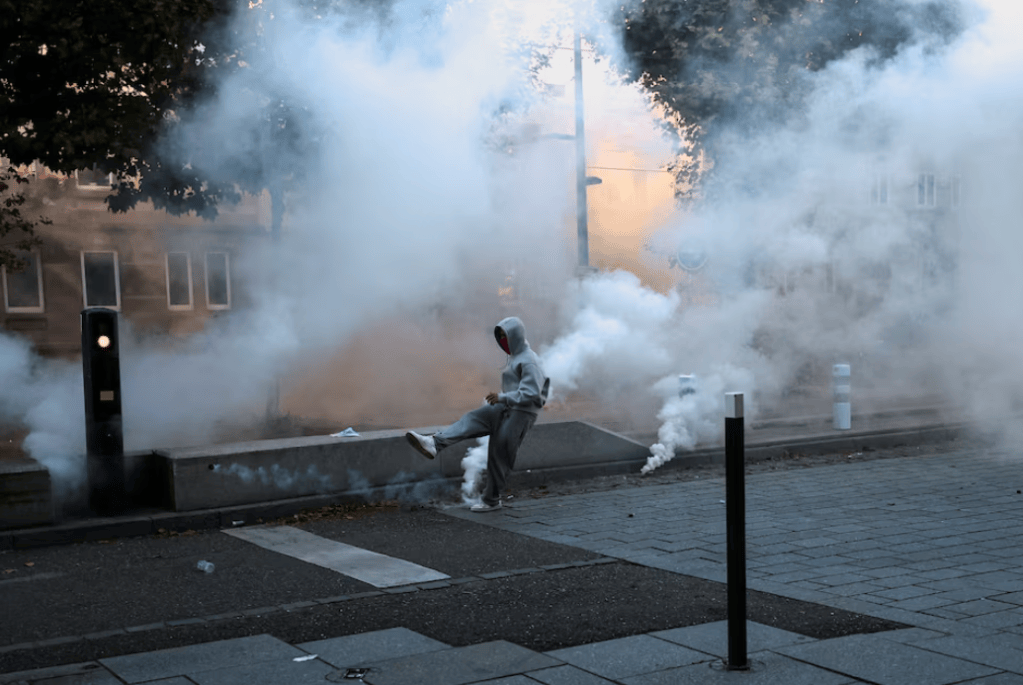
“You say, ‘young people are the future,’ so listen to them,” a handwritten note left outside a Paris school read.
At least 215 students and 85 school staff have been injured during the protests, Prime Minister Sebastien Lecornu said. One student lost a hand during protests on Oct. 5 after picking up a police-thrown stun grenade and another student lost an eye after being shot by a rubber bullet, French newspaper Le Voix du Nord reported. Lecornu added 700 police officers have also been injured.
Student complaints include a lack of sufficient funding for schools, poor building maintenance such as water leaks and rat infestations, overcrowded and overheated classrooms and teacher, nurse and other support staff shortages. Multiple schools report missing teachers in core subjects for months at a time.
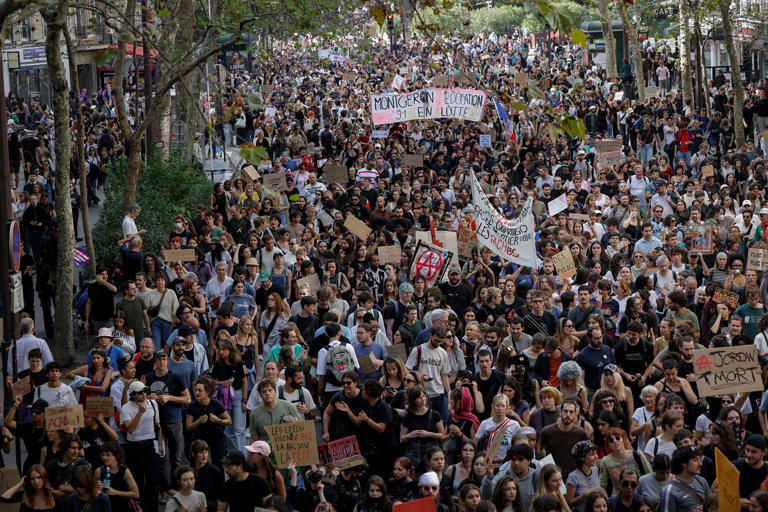
“I am quite happy because, for once, we see a real movement of the youth everywhere, and we hear about it,” Mona Fallacara, a student protestor, told Democracy Now! reporter Amy Goodman. “France’s budget will come to a vote soon, so we hope there will be a higher budget for education.”
The protests come less than a year before France’s next presidential election in April 2027. Current president Emmanuel Macron is unable to run for a third term, leaving a new party free to take the office.
According to WNDU, voter concerns in the upcoming election include skyrocketing fuel prices, public spending concerns and rising poverty and wealth inequality.

