When you think of dementia, you probably think of cold hospital rooms, quiet nursing homes, and sterile, bland years full of fear and loneliness. Dementia steals memories and lives, working its way through the brain until the affected person has lost all memories of their past, their family, their speech, and eventually how their own body should work. Often people with dementia spend their last years in a hospital or nursing home, unable to speak or make decisions for themselves.
The town of Hogeweyk in Amsterdam is setting out to change the image of the typical life of a dementia patient.
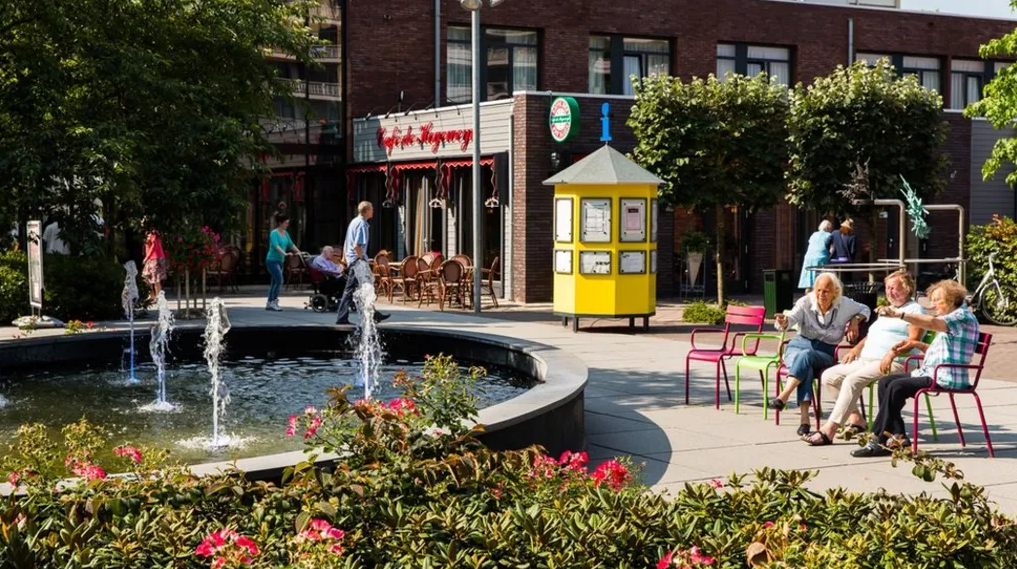
Hogeweyk opened in 2009 with the goal of reimagining life for people with late-stage dementia by allowing them to spend their last years not in a hospital or nursing care facility but in a vibrant and safe village where residents can feel as though they are living in a real community while still receiving professional care and medical assistance.
Hogeweyk is designed to look and act like a typical Dutch neighborhood. The village has everything from gardens and a grocery store to restaurants, a theater and a barber shop. The nurses and staff are also part of the community, blending in as neighbors and friends in regular clothing which allows them to form connections with residents and support them discreetly while the residents don’t feel as though they’re in a care facility.
“The Hogeweyk is a big, big neighbourhood but it’s still a safe environment, because there is an entrance which is watched,” said Jannette Spiering, one of the founders of Hogeweyk. “Within that neighbourhood people are free to go wherever they want, and we want to integrate society with our neighbourhood as much as possible.”
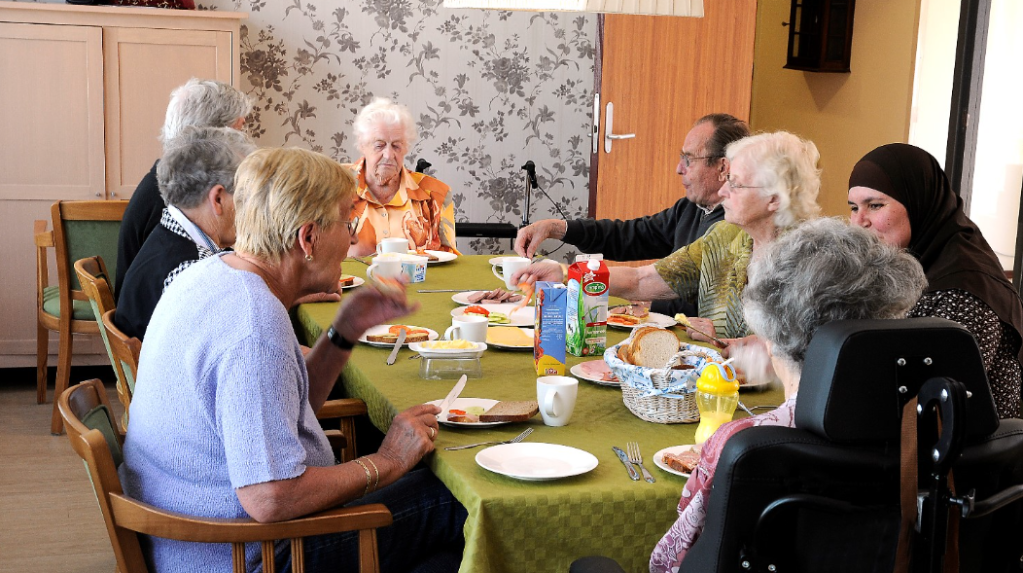
In Hogeweyk, residents live in houses of six to seven people, each with their own room. Each house also has a communal living room, kitchen and outdoor spaces where residents can spend time together and socialize. The village has a total of 27 houses with the capacity to care for up to 188 residents at a time.
Part of the goal of Hogeweyk is to also change the stigma around dementia. The village regularly holds events and welcomes visitors and people living in nearby areas to visit and interact with the residents.
“If you step inside the Hogeweyk, it’s just another neighbourhood,” said Spiering. “You will not even recognise who is a resident, or who is a volunteer or who is a family member. Normalising the environment is a big, big help in lowering the stigma.”
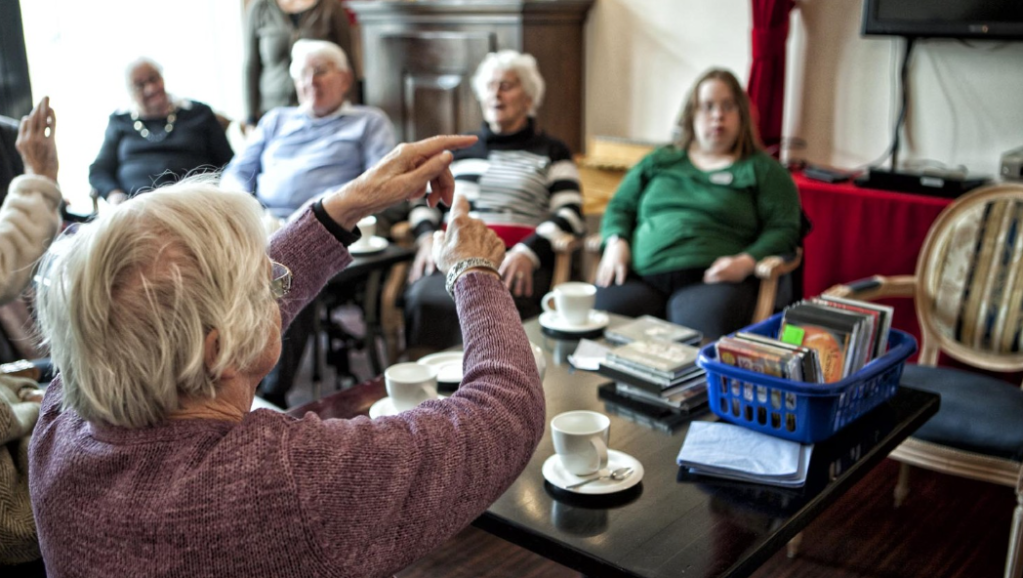
Although residents don’t work or attend jobs, they still keep to schedules – schedules they pick. They’re never lacking for opportunities to keep themselves busy, either. Hogeweyk supports over 35 “clubs” for residents to be a part of, including groups for art, baking ,classical music, disco and more.
Since 2009, Hogeweyk has become the blueprint for a new way to care for dementia patients. Medical studies have shown that residents in these villages tend to live longer and stay healthier than dementia patients in hospitals and nursing homes.
In 2022, the Milton Village day center opened in South Bend, Illinois, following a similar design to Hogeweyk. What was originally a hospice home was transformed into a town square featuring a beauty salon, movie theater, library, pub, and cafe. Residents can join clubs, attend events, get their hair cut, or just walk down the street with a coffee while safely watching and cared for by professionals.
Two more dementia villages have been proposed to open in Scotland in Hawick and Tweedbank.
“Importantly, we need to ensure we are meeting the needs of the people of the Borders,” said the Scottish Borders Council in a statement. “The care villages will be home to a number of clients with varying and very different needs and we are keen that the designs will ensure flexibility of use both now and in the future.”
While science still works to cure the disease itself, villages like Hogeweyk can change how those with dementia spend their last years.

