So, you made it to graduation. 17+ years of hard work and schooling, finally over. And now you’re facing a job market that seems to hate you – yes, you – in particular.
The first thing to do is take two steps back. Breathe. It’s going to be okay.
The next thing to do is to warm up your fingers. Stretch them out a little, wiggle them around, have some fun with it. Resumes and applications take a lot of typing.
Before Graduation – What You Can Do While In School To Better Your Resume For After Graduation
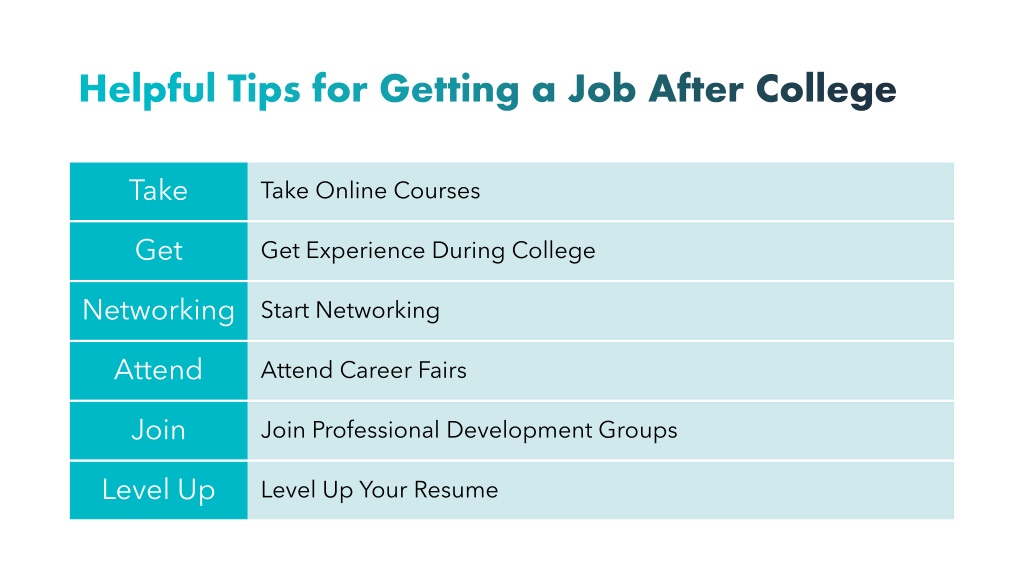
There are lots of things you can do, and should do, to set yourself up for success long before graduation. Some of these you can start working on as early as your freshman year so you’re not overwhelmed trying to do everything when your final year arrives.
Things like summer internships, career fairs, and taking advantage of and introducing yourself to connections from professors are all things you can start doing anytime that will get your foot in the door, your name circling in the industry, and your resume that much more interesting.
Your resume is going to be one of your greatest tools once you graduate from college. Anything that you think might look at all appealing to an employer should be on it. Think about how you can word anything from a high school job to a weekly club to make your resume fit the job you’re applying to.
Furthermore, you should have multiple resumes, each tailored specifically for the field and career you’re applying to. Most universities have centers or staff on campus that can help you design and tailor your resume, so take advantage of them while you can.
Consider teaching yourself or taking outside classes on certain “hard skills” that will make you stand out from other job applicants (and make sure to list them on your application and mention them in interviews). Being proficient in applications like Word, Excel, Photoshop, Team, and depending on the job, different social media and other communication platforms are all things that will put you a step above other applicants and can easily be done while in school.
For many careers attending events, seminars, and audits in your area can make you connections, help you become more familiar with industry terminology, and give you a place to ask any question you might have about your chosen career field. Often your professors will know about these opportunities and can let you know if they hear about any, or you can find them online.
After Graduation – What To Do Once You’ve Crossed The Stage
For some college graduates, they’ll already have a plan lined up for post-undergraduate university. It may be a job they’ve already been hired for or transferring to another school for further education to work towards a Doctorate, Master’s, or PHD.
For others, life after graduation is a complete mystery. Both options are completely fine.
However, for those who are planning on going straight into the workforce, it’s important to understand what’s going on with the job market right now, and how it might affect your chances of finding your dream job right away.
The biggest thing to know is that, right now, there are more people looking for jobs than there are job openings. This means your application isn’t up just against other college graduates but professionals who have been in the industry for decades and have experience in positions you can barely imagine.
While this doesn’t sound great, you might not be at as much of a disadvantage as you think. In many instances, companies are more likely to hire someone who may not be as experienced but will be around for a long time and can be trained over someone who is five years from retirement and who will have to be replaced soon.
Also, in some fields recent graduates might have an advantage by being more familiar with more recent technologies versus those who have been in the field for a while and may be more comfortable with older programs that are no longer in use. This is where one of the points from the previous section becomes extremely important; training yourself on as many different technologies and programs as possible could give you an advantage over both recent graduates and experienced professionals. Being proficient in Microsoft, Google, and Adobe systems makes you much more flexible than an applicant that only knows how to use one.
While it may be frustrating, keeping in mind just how competitive the job market is at the moment is important, especially when application numbers start reaching the hundreds.
“Think of the worst game of musical chairs you ever played, where there are 12 chairs and they’ve let 100 people go after those 12 chairs,” is the advice Mandi Woodruff-Santos, a career coach, gives to those struggling with getting hired. “That’s kind of how it feels these days.”
Never stop taking advantage of any relationships and networking connections you have. Stay in touch with university professors and ask if they’ve heard about any job opportunities or if they could put in a good word for you somewhere. Continue to attend events, introduce yourself, and get your name in people’s ears. Even if they’re not hiring at that moment, they might be in the future. If they already know you, that will give you an advantage over any new applicants they might be considering.
The same is true for interviews. Always present your best self and make sure you have solid references to back you up. Even if the company goes with someone else for that specific role, a good interview could lead to them reaching out again the next time they’re hiring.

The most important thing is that you never stop. It says a lot about a person if they can show they continued expanding their knowledge and practicing their skills even during times of unemployment. Being able to say you spent a year teaching yourself a new skill goes a lot further in showing a possible employer your commitment and passion for your field than just having a blank year on your resume.
“The main thing is to keep moving forward and doing something, perhaps by getting a part-time job in the meantime or broadening your job search to sectors in which your skills are transferrable,” says Laura Ullrich, director of economic research for North America at Indeed. “Even volunteer opportunities can look like work experience on a resume, which may show hiring managers you are adaptive.”

