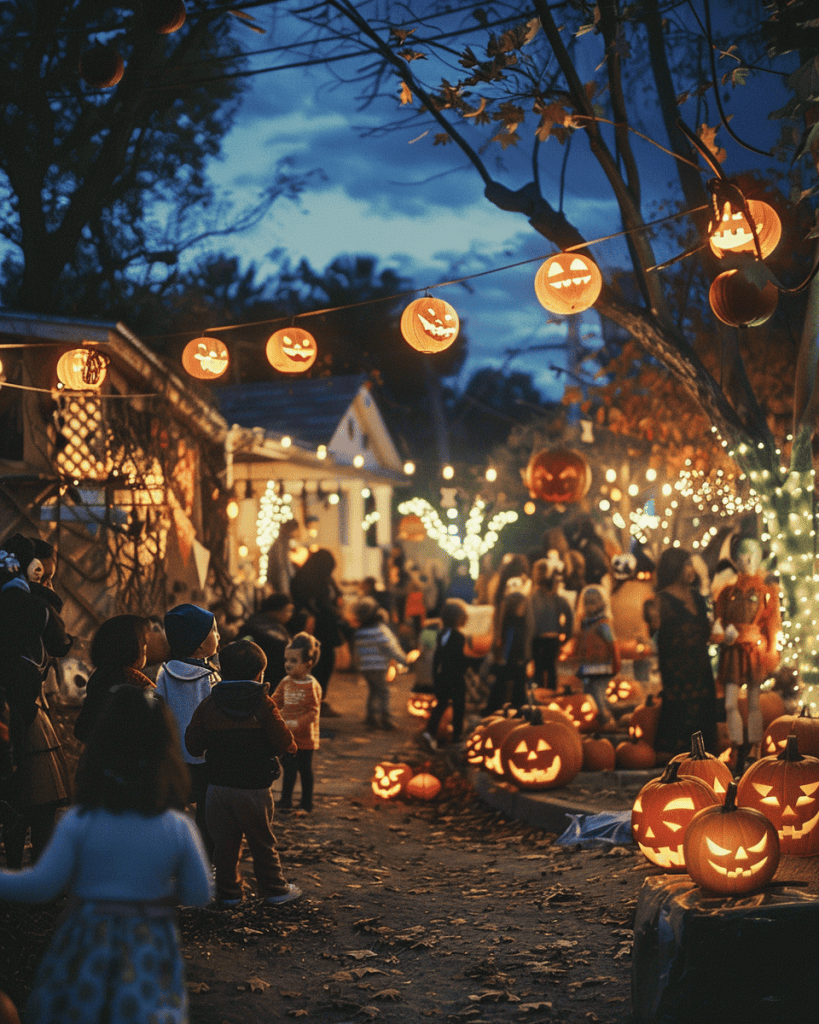
What do an alien, a ghost and a Disney princess have in common? They’ll all likely be at your door on Halloween, hyped up on sugar with their little hands reaching out for more pieces of candy.
Halloween is celebrated in countries all around the world, with children dressing up in costumes, adults waiting by the door with buckets of candy and porches decorated with flickering pumpkin faces.
But where did these celebrations come from, and how has the holiday evolved into the one we know today?
The First Halloween
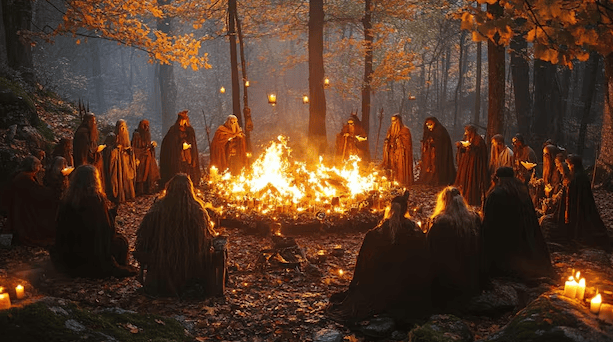
2,000 years ago in Central and Western Europe, the Celts celebrated the new year on Nov. 1. They believed the night before the new year was when the boundaries between the land of the living and the dead were the thinnest, allowing the dead for one night to walk the earth again.
On this night, Oct. 31, the Celts celebrated the festival of Samhain (pronounced sow-in) by lighting huge bonfires to sacrifice crops and animals to Celtic dieties. They would also wear costumes and masks of animal skins and heads meant to confuse ghosts and spirits so they wouldn’t be kidnapped into the land of the dead.
The harvest and the coming of winter was, and still is, an important moment in numerous cultures around the world. It represents the transition into the most difficult months of the year, especially for civilizations before indoor heating, modern medicine and modern food preservation technologies reduced mortality rates during the colder months.
The Conquering Empire
By A.D. 43, most Celtic land was under the rule of the Roman Empire. As most other aspects of Celtic culture faded under the Romans, the festival of Samhain was reattributed to the Roman goddess Pomona, goddess of orchards and abundance.
The Romans also had their own festivals during which they honored their dead. One was Feralia during the month of Parentalia during what we now consider February. Parentalia was dedicated to honoring and remembering the family dead; ancestors and loved ones were believed to walk the earth again during the holiday and families would leave out food gifts to sustain the spirits during their journey.
The Roman poet Ovid wrote about how no hearths were lit during the holiday. The courts and temples closed and no marriages were performed.
The Saints Go Marching In
By 609 A.D., Christianity had become the official religion of Rome and Pope Boniface IV ruled the empire. He dedicated the Pantheon in Rome to the Virgin Mary and established a feasting holiday that eventually became All Martyr’s Day.
In the eighth century, Pope Gregory III moved the feast to Nov. 1 and renamed it All Saint’s Day. Some began referring to it as All Hallows based on the Middle English Alholowmesse. The night before, Oct. 31, became All Hallows Eve, eventually becoming what we now know as Halloween.
Trick-or-Treat!
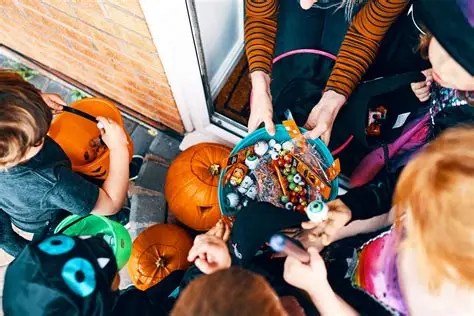
While the idea of kids going door to door asking strangers for candy seems like one from the more recent centuries, it can be traced back to the Middle Ages. During All Saint’s Day, poor people would visit wealthy houses where they would be given pastries called soul cakes in return for their promising to pray for the wealthy homeowner’s dead family members.
Eventually the tradition became led by children who would visit the houses asking for gifts such as food, money and ale.
The tradition of Jack-o’-Lanterns originated in the same place as Halloween, only a couple centuries later. In the 1800s in Ireland and Scotland, an Irish myth told the story of “Stingy Jack” who had been cursed by the Devil to wander the earth with nothing but a piece of burning coal in a turnip to light his path.
People began carving their own versions of Jack’s lantern with turnips or potatoes and leaving them on their porches and windows to scare away evil spirits.
Other Celebrations
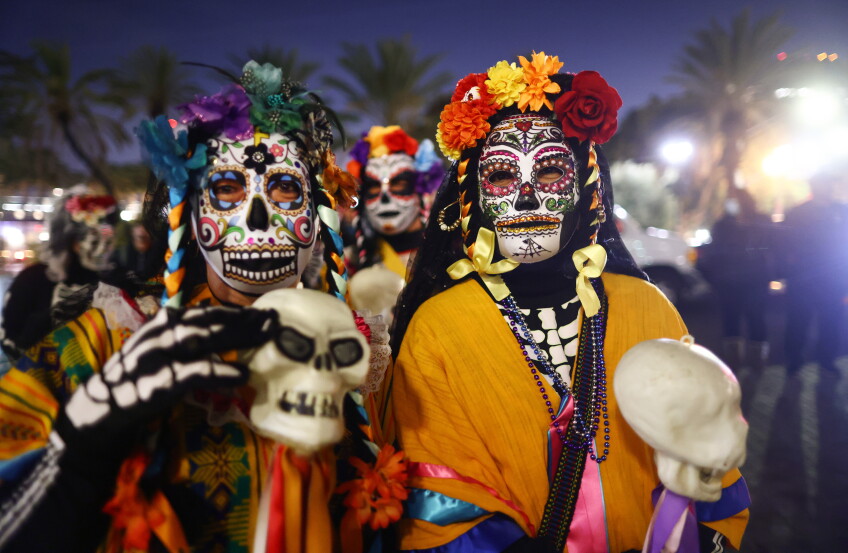
Although it may be one of the most popular, Halloween isn’t the only holiday originating in the idea of the dead crossing into the world of the living.
In many Latin American countries, Día de los Muertos, or Day of the Dead, is a three day celebration lasting from Oct. 31 through Nov. 2.
Families build altars or ofrendas with photographs, flowers and food and drink for their dead relatives to enjoy during their visit. Graves are cleaned and decorated and candles are lit to help the dead find their way back home.
Every two years in Ngwo, a historic Igbo town in Nigeria, the people hold a three-month festival from December to March to celebrate the dead’s return to the living. The Odo Festival represents a time of homecoming and togetherness as arguments and put aside and people of all genders and ages come together to celebrate the homecoming of their departed relatives.
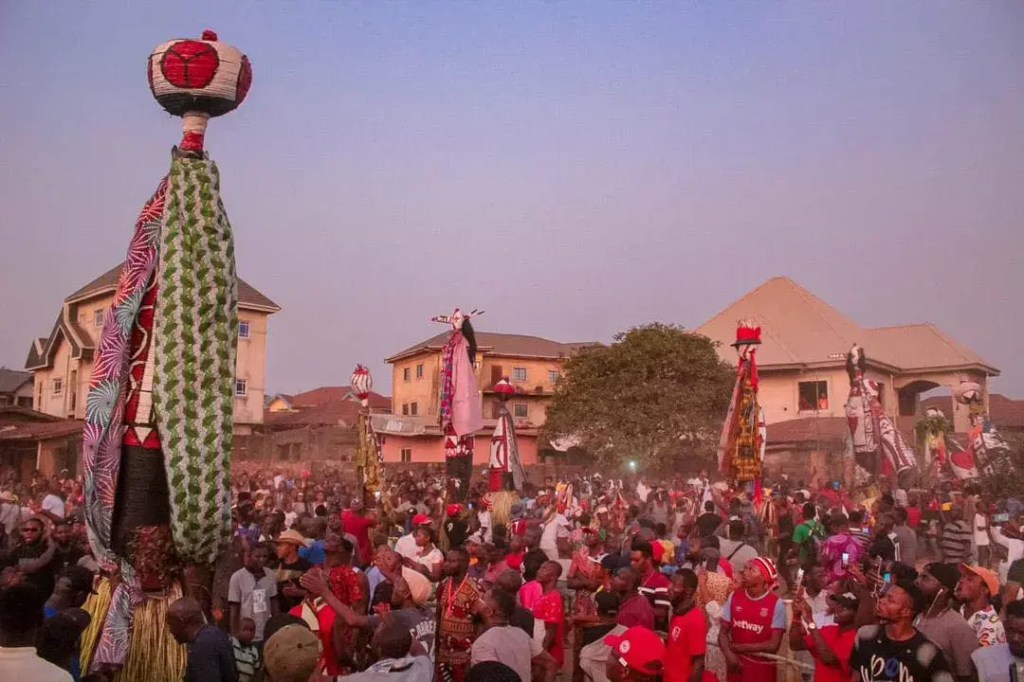
However you celebrate Halloween or one of its similar holidays, it’s undeniable that this is a time not of fear and darkness but of remembrance and family. A common thread between the holidays and celebrations discussed above is one of homecoming and community as cultures around the world prepare to spend the next few months hunkered down at home staying warm around a fire with their loved ones.

