On Veteran’s Day 2026, the House of Representatives passed the Take Care of America’s Veterans Act (TCAVA). If the bill passes the Senate, it would greatly expand the financial benefits awarded to disabled veterans.
The bill H.R. 9237 is made up of over 60 veteran-based legislations covering retirement compensation, survivor benefits, caregiver assistance, access to health care and improvements to the Department of Veterans Affairs.
Under current law, medically retired veterans with less than 20 years of service often are forced to give up part of their retirement payments if they wish to receive VA disability assistance.
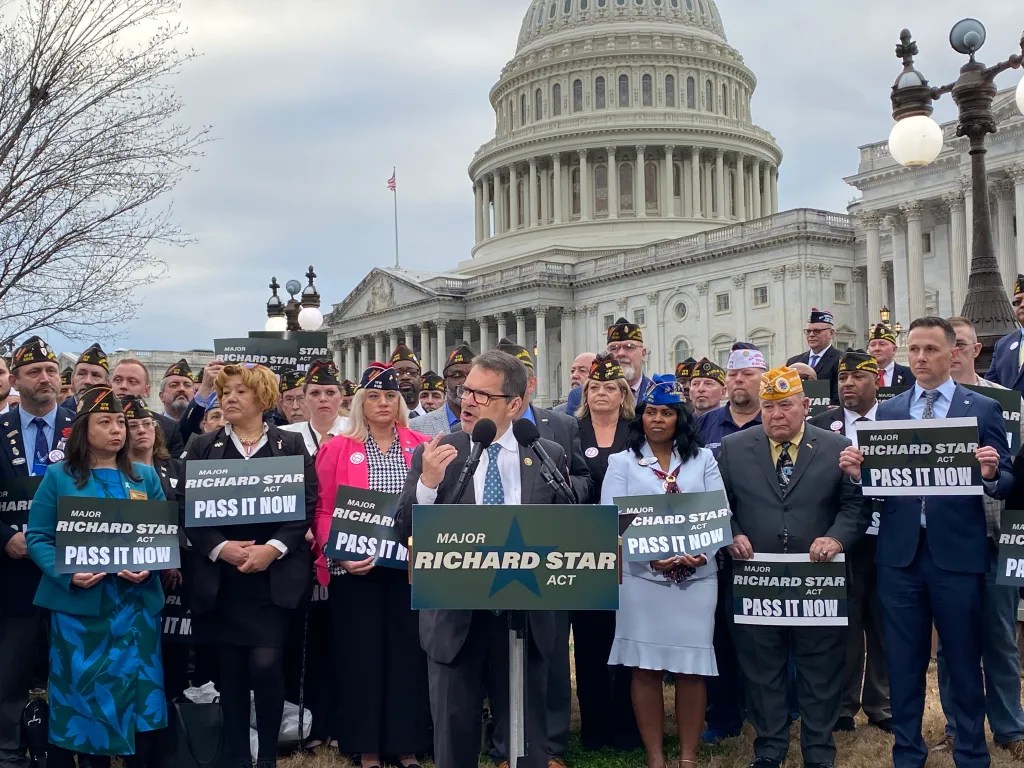
The Major Richard Star Act, named after an Army reservist who developed cancer after being exposed to burn pits during deployment to the Middle East, would allow disabled veterans to collect both their retirement payments and disability compensation.
There are currently an estimated 54,000 veterans affected by what is sometimes referred to as the “wounded veteran tax”.
The bill also includes the Sharri Briley and Eric Edmundson Veterans Benefits Expansion Act which would increase certain monthly compensation for severely disabled veterans.
Not all veterans approve of the bill. Section 108, which changes how the VA classifies disability ratings for service-related diagnoses including tinnitus and sleep apnea, has been a deeply divisive concept among current and former service members. Some organizations including the Veterans of Foreign Wars and Disabled American Veterans argue all the bill would od is take money from future generations to give to current veterans.
A different argument is currently forming in Congress based around the bill, and more specifically its Republican backer’s handling of its passing.
Presiding officer Rep.Addison McDowell (R-NC) led a voice vote to pass the bill, meaning there is no official record of which direction each representative voted. McDowell claims if Democrats had an issue with the vote, they could have called for a roll call vote which would have recorded each members’ vote. Democratic Rep. Mark Takano later accused McDowell of leaving no time to request a roll call vote.
“If congressional leaders believed this proposal was worthy of passage, they should have had the courage to let every member’s position be recorded for the country to see,” Cory Geisler, national commander-in-chief of the Veterans of Foreign Wars said in a statement. “Playing political games with veteran’s benefits while avoiding public accountability is cowardly and dishonorable.”
With the 119th Congress coming to a close, it is unsure when the bill will pass to the Senate for consideration.

